An 18-inch-deep dresser can become a 50-inch obstacle once the drawer opens and someone stands in front of it. That is the central problem with furniture in bedroom planning: a room may look open on paper but fail when doors swing, drawers open, bedding is pulled back, or laundry has to pass the bed.
How much furniture belongs in a bedroom before the layout feels crowded?
The right amount of furniture in bedroom layouts is the amount that keeps sleep, storage, circulation, door movement, and cleaning access working together. A bedroom is crowded when circulation fails, not simply when every wall has a piece on it.
Use the clearance test before the style test. In most private bedrooms, allow roughly 24 inches as a tight minimum walkway and 30 to 36 inches as a more comfortable main path, especially for two people. This is basic space planning in interior design: catalog dimensions show closed furniture, but bedrooms are used by bodies, drawers, doors, bedding, vacuum heads, and laundry baskets.
- Reduce furniture if a door clips a nightstand, dresser, chair, or bench.
- Reduce furniture if an open drawer blocks the only route beside the bed.
- Reduce furniture if a bench makes wardrobe access, window access, or bed-making harder.
- Reduce furniture if oversized nightstands leave no side access for cleaning or charging.
A bedroom can also be under-furnished. Sleeping, charging, dressing, linen storage, reading, grooming, and laundry staging need assigned surfaces or storage. A built-in closet may replace a wardrobe or dresser, but not bedside access. The U.S. Environmental Protection Agency states that mold can begin growing indoors when spores land on wet surfaces, so furniture that blocks inspection, drying, or airflow adds maintenance risk.
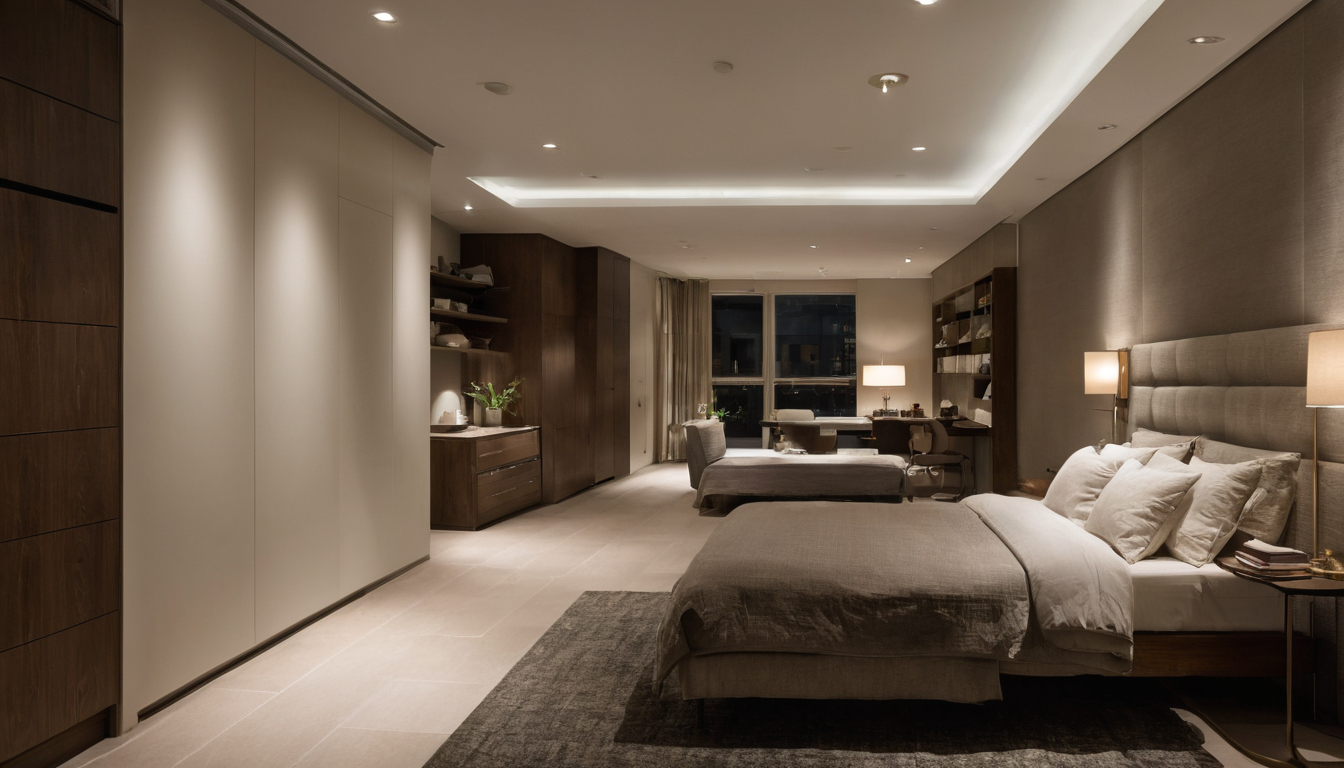
How much furniture belongs in a bedroom before the layout feels crowded shown with finish, fixture, and clearance relationships visible.
What clearance dimensions decide whether a bed, dresser, wardrobe, bench, or chair can fit?
A bedroom piece fits only when its closed footprint and active footprint both fit. The active footprint includes space to walk past, open drawers, swing doors, stand, sit, bend, clean, and remove the piece later.
Typical closed dimensions are only a starting point. A twin bed is about 38 by 75 inches, a full about 54 by 75 inches, a queen about 60 by 80 inches, and a king about 76 by 80 inches before the frame, headboard, upholstery, or footboard adds bulk. A nightstand often falls around 16 to 30 inches wide and 14 to 20 inches deep. A dresser is commonly 18 to 22 inches deep, while a freestanding wardrobe is often 22 to 26 inches deep.
The active dimension changes the decision. A dresser may need another 14 to 20 inches for drawer travel plus standing space. A hinged wardrobe needs door swing; sliding doors need less floor clearance. A foot bench should usually stay shallow, often 14 to 20 inches deep. An accent chair can need a 28 to 36 inch square zone once sitting, leg movement, and side access are included.
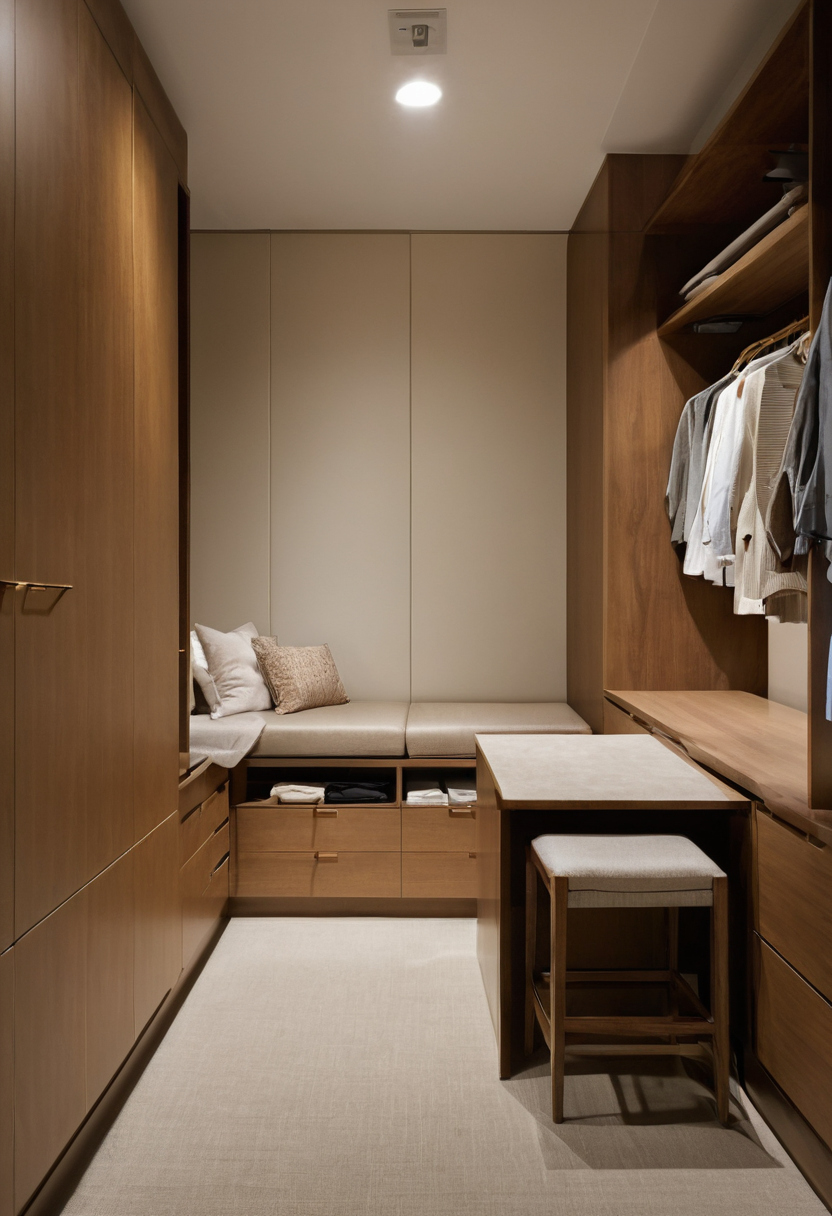
What clearance dimensions decide whether a bed, dresser, wardrobe, bench, or chair can fit shown with finish, fixture, and clearance relationships visible.
Which bedroom furniture pieces should be chosen first, second, and last?
The best selection sequence is bed first, bedside access second, clothing storage third, and optional comfort pieces last. This order protects daily bedroom functions before decorative or matching-set pieces claim floor area.
The bed size sets the furniture limit
The bed is the first procurement decision because mattress width plus frame overhang fixes the remaining walkways. A single occupant may accept one generous side path and one tighter wall side. Two occupants usually need access on both sides. Review bed styles and frame choices before sizing dressers, wardrobes, benches, or chairs around the bed.
Storage should solve needs without duplication
Bedside pieces come next because charging, lighting, water, glasses, and a book need a reachable surface. In narrow rooms, wall shelves, wall lights, or a slim ledge can replace one or both nightstands. Clothing storage follows: a wardrobe outranks a dresser where hanging space is missing, while under-bed drawers can reduce the need for a wide dresser.
In rooms with poor airflow, avoid packing wardrobes or dressers tightly against cold exterior walls. Cool bedroom sets only work when every piece passes the clearance test.
How many pieces of furniture fit in small, standard, and large bedrooms?
Small, standard, and large bedrooms can hold different furniture counts, but the method stays the same: place the bed, reserve circulation, test storage openings, and remove anything that interrupts daily use.
Small bedroom scenario
A small bedroom, roughly 8 by 10 feet to 10 by 11 feet, usually works best with three to four pieces: a twin or full bed, one nightstand or wall shelf, a narrow chest, and under-bed drawers if the closet is limited.
Standard bedroom scenario
A standard bedroom, roughly 11 by 12 feet to 12 by 14 feet, often supports four to five pieces: a queen bed, two bedside pieces, and one dresser, chest, or wardrobe. The more comfortable version keeps 30 to 36 inches on the main route and gives the dresser full drawer depth plus standing space.
Large bedroom scenario
A large bedroom, roughly 14 by 16 feet and above, may hold six to eight pieces: a king bed, two nightstands, one main storage piece, a bench, and a chair or vanity zone. The plan still needs open floor between the sleep zone, dressing zone, windows, and HVAC locations.
What hidden problems appear when there is too much furniture in a bedroom?
Too much furniture in bedroom layouts often appears as maintenance trouble before the room looks visibly wrong. Warning signs include blocked cleaning paths, trapped dust, awkward drawer use, unreachable outlets, poor airflow, and tight nighttime movement around hard corners.
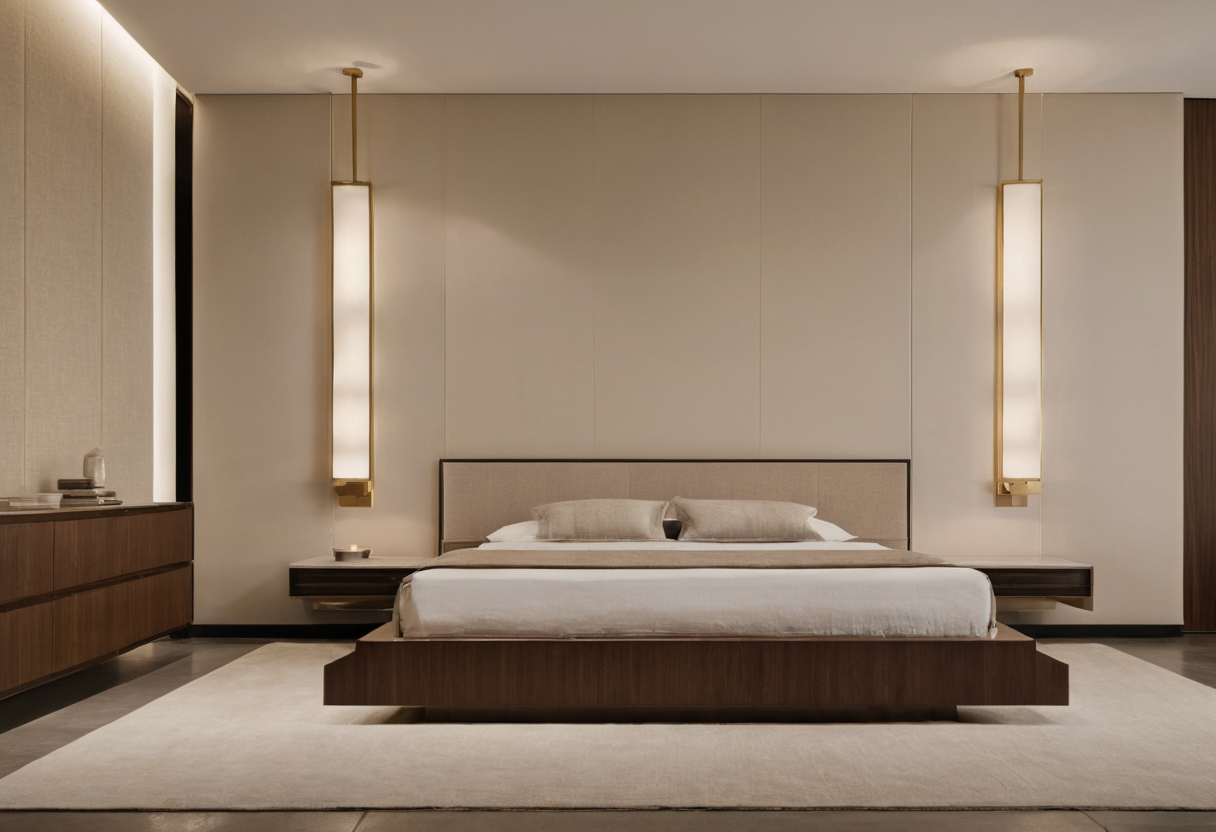
What hidden problems appear when there is too much furniture in a bedroom shown as a planning reference for layout, scale, and material decisions.
- Bed bases need side access to pull bedding, vacuum edges, and clean along skirting boards.
- Dressers and wardrobes fail when drawers or doors force the user backward into the bed.
- Benches and chairs are excessive if a vacuum head, mop, or laundry basket cannot pass.
- Outlets, switches, vents, radiators, windows, curtains, blinds, balcony doors, and ensuite routes need working space.
What is the clearance-based workflow for buying bedroom furniture?
A clearance-based buying workflow reduces returns, awkward installations, and expensive rooms that are difficult to use. Measure the room first, map active footprints second, then buy only the pieces that pass the plan.
- Record wall lengths, ceiling height, door width, window positions, outlets, switches, vents, radiators, and closet openings.
- Mark footprints with painter’s tape, including drawer travel and door movement.
- Compare bedroom furnishing ideas by layout similarity, not only by finish or photography.
- Choose flat-pack furniture only if assembly space exists inside the bedroom.
- Measure stairs, lifts, corridors, landings, doorways, and tight turns before payment.
- Install wardrobes or built-ins first, then the bed, dresser, nightstands, lighting, and accessories.
Lighting and finishing should follow the furniture plan, not rescue it. ENERGY STAR states that qualified LEDs use at least 75 percent less energy and last up to 25 times longer than incandescent lighting. Add small interior design details only after the furniture in bedroom layouts can open, breathe, clean, and leave the room again.
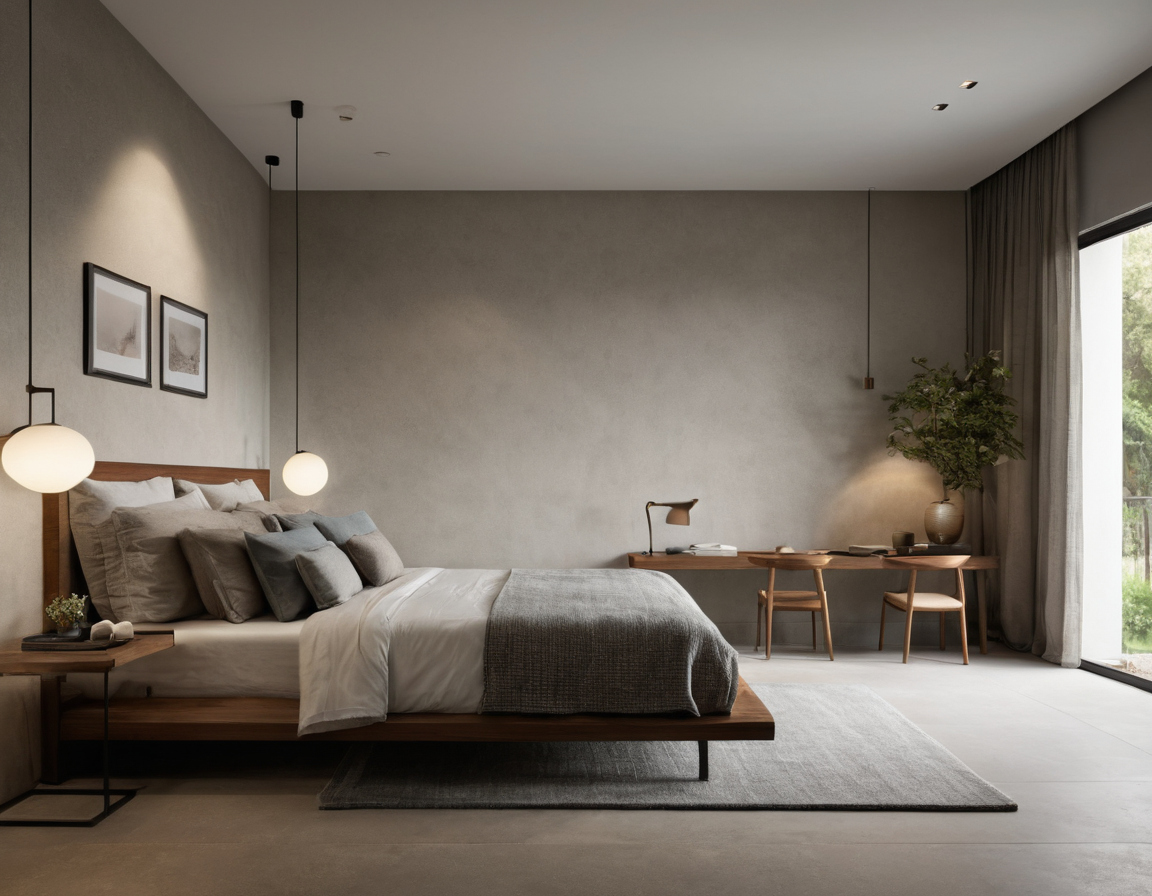
What is the clearance-based workflow for buying bedroom furniture shown as an editorial reference for proportion and finish coordination.
FAQ
How much furniture should be in a bedroom?
A bedroom should have enough furniture for sleeping, bedside access, clothing storage, and dressing without blocking the main walkway. For many rooms, that means a bed, one or two bedside pieces, and one main storage piece.
What is the 60-30-10 rule for bedrooms, and does it decide furniture quantity?
The 60-30-10 rule is a color proportion guide, not a furniture count rule. It may help finishes feel balanced, but clearance decides whether a dresser, wardrobe, bench, or chair belongs.
What is the 3-5-7 rule in interior design, and is it useful for bedroom furniture?
The 3-5-7 rule groups objects in odd numbers for visual composition. It can help with styling shelves or accessories, but it should not override walkway, drawer, and door clearances.
What is the 2/3 rule for furniture, and does it apply to beds and dressers?
The 2/3 rule is often used for visual proportion, such as art over furniture. For beds and dressers, physical clearance matters more than a visual ratio.