A $1,000 first-bedroom budget should reserve transaction costs before funding decoration
For one adult furnishing a first U.S. apartment, cap merchandise at $830 and hold $170 for location-dependent tax, delivery, hardware, and price changes. Fund the mattress, compatible support, washable bedding, privacy, lighting, and necessary storage before decoration.
| Category | Provisional ceiling |
|---|---|
| Full-size mattress | $350 |
| Frame or foundation | $120 |
| Two pillows | $40 |
| Mattress protector | $35 |
| Sheet set | $45 |
| Comforter or blanket | $70 |
| Curtains, rod, and hardware | $80 |
| Lamp and bulb | $40 |
| Necessary storage | $50 |
| Decoration | $0 |
| Tax, delivery, and price-change reserve | $170 |
| Total | $1,000 |
What assumptions make the $1,000 bedroom budget valid?
These figures are editorial spending decisions, not verified retailer prices. The baseline assumes one adult, one full bed, a contiguous U.S. apartment, and no existing bedroom products. It excludes painting, moving labor, old-furniture removal, professional assembly, and tools.
- Record the date and delivery ZIP when checking prices and stock.
- Choose pickup or parcel shipping unless a verified room-delivery charge fits the reserve.
- Replace every ceiling with the actual cart price, tax, shipping, and required hardware before ordering.
If new furnishings, finishes, or cleaning products emit volatile organic compounds indoors, the U.S. Environmental Protection Agency recommends increasing ventilation during use. Plan that ventilation before unpacking or applying the product.
For an efficient bulb, an ENERGY STAR qualified LED uses at least 75 percent less energy and lasts up to 25 times longer than incandescent lighting under the program’s stated conditions.
How does the $1,000 bedroom allocation change for twin, full, and queen beds?
Compare twin, full, and queen carts on the same date, for the same ZIP and product tier. Reprice the mattress, support, protector, sheets, and blanket together. If a queen cart crosses $1,000, remove storage or decoration before weakening required support or spending the transaction reserve. The next decision is which mattress and manufacturer-approved support deserve the first bedroom dollars.
The mattress and manufacturer-approved support should receive the first bedroom dollars
The mattress and its required support form one purchase decision because a cheap frame becomes expensive when slat spacing, center support, foundation type, or capacity conflicts with the mattress instructions. Verify the complete sleep system and delivered return terms before considering a decorative headboard.
Which mattress specification can change the rest of the bedroom budget?
Mattress size affects the frame, protector, sheets, blanket, delivery handling, and available floor space. Use the dimensions below as common reference sizes, then replace every planning entry with the selected mattress manufacturer’s listed dimensions and a same-session checkout price.
| Size | Common mattress footprint | Linked-cost effect | Checkout record needed |
|---|---|---|---|
| Twin | About 38 by 75 inches | Usually leaves the most money for support and bedding | Mattress price, required support, delivery, return terms |
| Full | About 54 by 75 inches | Balances one-adult sleeping width with a tighter first-apartment budget | Same fields, plus center-support requirements |
| Queen | About 60 by 80 inches | Raises several linked costs and requires more room | Same fields, checked specifically for queen sizing |
For each mattress candidate, record construction, thickness, firmness description, compressed-box status, listed dimensions, and whether a foundation is included. Read the manufacturer’s instructions for acceptable foundations, maximum slat spacing, center rails or legs, bunkie boards, and floor placement. An advertised mattress price is incomplete until every mandatory support component has a verified price.
Does the selected bed frame satisfy the mattress warranty requirements?
A frame passes only when its support surface meets the mattress instructions and its stated capacity safely covers the mattress plus sleepers. Confirm overall dimensions, included slats or platform panels, center-rail configuration, capacity conditions, assembly tools, and whether a headboard is included or merely compatible.
The Nomad platform illustrates the check rather than a forced recommendation. Wirecutter’s February 6, 2026 listing showed the queen KD Frames Nomad at $299. The unfinished tulip-poplar frame was offered in twin, twin XL, full, queen, and king sizes. Its two slat sets used 16 hardwood planks per side, with 2.8-inch gaps, and the frame supported up to 600 pounds.
The Nomad requires assembly and includes numerous frame, slat, and hardware pieces, although Wirecutter found the instructions clear and assembly straightforward. At $299, the queen example exceeds this article’s provisional frame ceiling. Do not squeeze it into the basket. Substitute a less costly support only after confirming equal compatibility. Optional replacement 18-inch legs cost about $30 and increased under-bed clearance to 14.5 inches, showing how storage ambitions can create another linked expense.
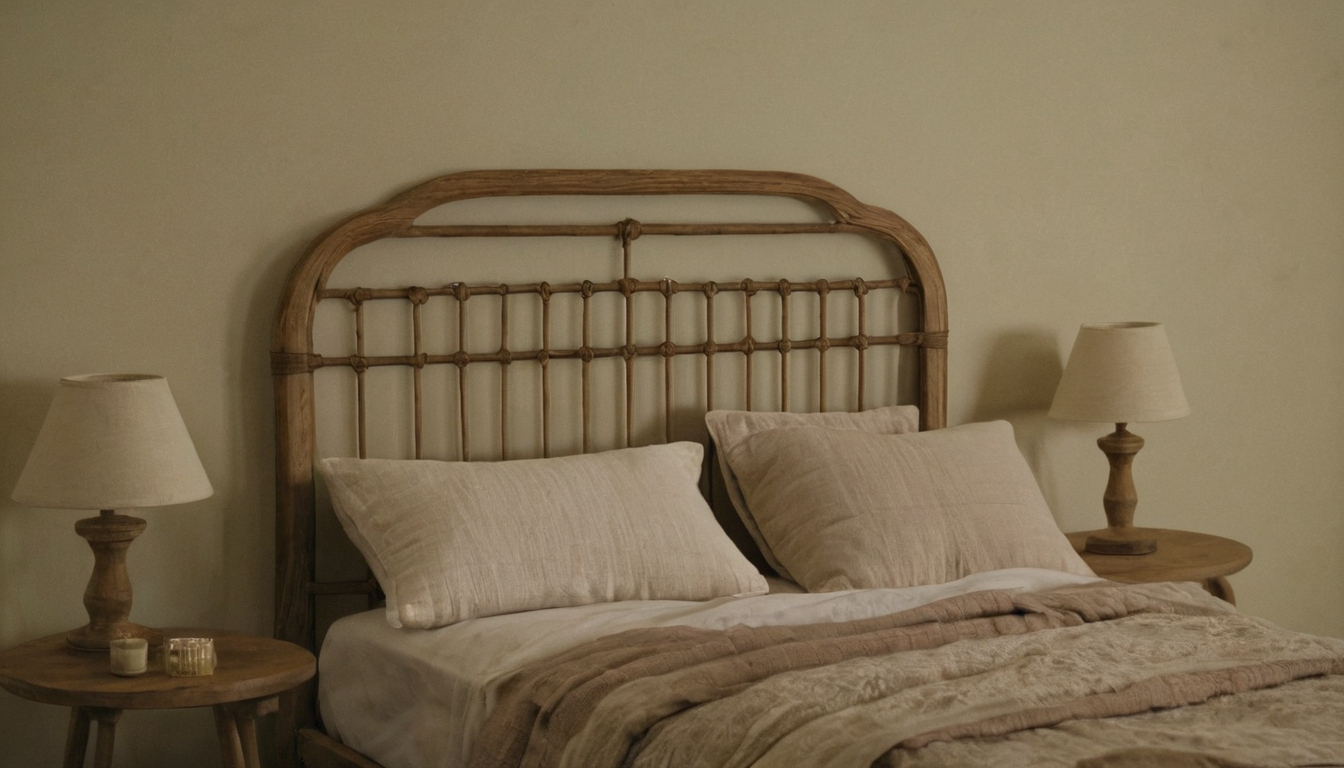
The mattress and manufacturer-approved support should receive the first bedroom dollars shown with practical context cues.
What can make a low mattress price expensive to return?
A return policy must work after opening, not merely while the product remains boxed. Record the mattress trial length, minimum-use period, protector requirement, pickup availability, return shipping, restocking or refund deductions, exchange rules, and original-purchaser conditions. A compressed mattress may be difficult to rebox and transport after expansion.
The Nomad frame example carried a five-year warranty and an unlimited return window only while its box stayed unopened; the buyer paid return shipping. That distinction makes a pre-opening compatibility check essential. Once the supported mattress passes, the next dollars must make it usable with bedding chosen for fiber content, fit, washability, and replacement priority.
First-bedroom bedding should be chosen by fiber content, fit, washability, and replacement priority
A minimally complete first bed needs supportive pillows, a fitted sleeping surface, washable sheets, and a correctly sized top layer, plus a protector when the care routine or mattress trial requires one. On a tight budget, fiber disclosure, fill, pocket depth, and machine-care instructions matter more than extra pieces.
Which bedding pieces are essential on the first night?
- Buy now: Choose two pillows for a shared full or queen bed, or the number the sleeper actually uses. Compare fill, loft, firmness description, sleeping-position preference, and opened-return terms rather than expecting a pillow type to solve a medical problem.
- Protect the mattress: Add a protector if the mattress trial, warranty, household needs, or laundering plan makes one necessary. Confirm whether the protector is waterproof, water-resistant, padded, or simply a washable barrier.
- Cover the sleeping surface: Choose a fitted sheet, pillowcases, and either a flat sheet or the sleeper’s preferred alternative. Add a washable blanket, quilt, or comforter suited to the room temperature.
- Delay convenience pieces: A second sheet set helps on laundry day, but shams, throws, decorative pillows, and coordinated bed skirts can wait.
What do the fiber label and care label reveal about budget bedding?
| Piece | Label fields | Fit check | Care check | Priority |
|---|---|---|---|---|
| Pillow | Shell and fill separately | Case dimensions | Whole-pillow or cover-only washing | First night |
| Protector | Face, padding, and backing | Mattress-depth range | Dryer heat and bleach limits | As required |
| Sheet set | Fiber percentages and stated weave | Fitted-sheet pocket depth | Wash temperature and drying method | First night |
| Top layer | Shell and fill or single-layer fiber | Finished dimensions | Home or commercial machine | First night |
For covered textile products, federal fiber-labeling rules under the Textile Fiber Products Identification Act and 16 CFR Part 303 address disclosures such as fiber names and percentages, business identity, and country of origin. Record shell, fill, and backing separately. “Cotton” on one component does not make the entire product cotton. Record percale, sateen, jersey, or flannel only when the manufacturer states that construction.
Bedding care instructions should be transcribed from the manufacturer rather than assumed from fiber content. The federal Care Labeling Rule primarily addresses apparel and certain piece goods, so shoppers should not treat every household bedding care tag as the same regulatory disclosure. Scent is not proof of fiber quality. The U.S. Environmental Protection Agency identifies furnishings among common indoor VOC sources, alongside paints, cleaning products, and building materials.
Will the bedding fit the selected mattress after the protector is added?
Measure the mattress after adding any topper or padded protector, then compare that total height with the fitted sheet’s stated pocket depth. Check length and width as well as depth, and follow drying instructions that limit heat or call for line drying. Before checkout, replace every bedding allowance with the current price for the chosen bed size and confirm availability. Once the bed is dressed, the next purchases must provide privacy and safe light, including curtain hardware and a complete lamp setup.
Curtains and lighting complete a first bedroom only when hardware and room conditions are included
Bedroom curtains and lighting should provide privacy, control unwanted light, and support safe nighttime movement before serving as decoration. In a rental, the complete curtain cost includes panels and mounting hardware, while the complete lamp cost includes a compatible bulb, a reachable outlet, and recognized electrical listing information.
What must be measured before buying bedroom curtains?
Record the window opening width and height in inches, then record the intended mounting width and the distance from the rod position to the desired hem. These are separate measurements. A rod mounted above and beyond the opening requires longer panels and a wider rod than one installed inside the frame.

Curtains and lighting complete a first bedroom only when hardware and room conditions are included shown as a planning reference for layout, scale, and material decisions.
Check the lease or ask the landlord whether drilled brackets are permitted. If drilling is prohibited, confirm that a tension rod or other no-drill system fits the window construction and can carry the combined panel weight. Do not assume adhesive hardware is permitted or that it will release without affecting paint.
- Panels: Confirm quantity, individual width and length, fiber content, lining or backing construction, header style, and care instructions.
- Hardware: Confirm rod diameter, adjustable span, brackets, anchors, finials, and rings or clips if the header requires them.
- Checkout: Add every component and delivery charge before comparing the treatment with the curtain allocation.
A dark face fabric is not automatically blackout fabric. Look for a disclosed lining, coated backing, or layered construction. Repeat a light-blocking percentage only when the manufacturer documents that claim for the specific panel.
What makes a bedside lamp a complete purchase?
A complete bedside lamp has a stable base, included shade, accessible switch, and cord long enough to reach the intended outlet without crossing a walking path. Check the product label or manufacturer specifications for socket type, maximum permitted wattage, bulb inclusion, cord length, and switch position.
If the bulb is sold separately, add its verified checkout price and match its base and electrical rating to the lamp. Treat lumens and color temperature as labeled product attributes for comparing brightness and appearance, not as promises about sleep or health. Confirm that the lamp or packaging shows a recognized electrical certification or listing appropriate to the product. One particular certification brand is not the only acceptable route.
Once privacy and usable light are funded, leave the remaining floor area and budget untouched until daily use shows whether the bedroom truly needs extra storage or decorative accessories.
Bedroom storage and decorative accessories should wait until the room proves it needs them
For a first apartment with a fixed $1,000 limit, storage belongs in the opening basket only when the closet, bed clearance, or clothing routine reveals a measured gap. Decorative pillows, art, rugs, benches, and accent furniture can wait, preserving money for hardware, laundry needs, delivery, and essential replacements.
Does the first bedroom need a dresser, bins, or no added storage?
Audit the closet rod, shelves, floor area, door swing, landlord-provided furniture, and folded-versus-hanging clothing volume before assigning the provisional $50 storage allowance. Measure under the bed and test bedroom furniture against actual clearances, including walking space, bed access, and room for drawers to open.
- Buy nothing if the closet holds the current wardrobe without floor piles.
- Buy small if hangers, a hamper, or measured under-bed bins solve the documented gap.
- Consider furniture only after checking assembled dimensions, weight, capacity, anchoring instructions, and tip-over warnings.
Bed specifications can change the answer. The standard KD Frames Nomad reviewed by Wirecutter was 15 inches high, weighed 72 pounds, and provided 11.5 inches of under-bed clearance, illustrating why frame measurements should precede bin purchases.
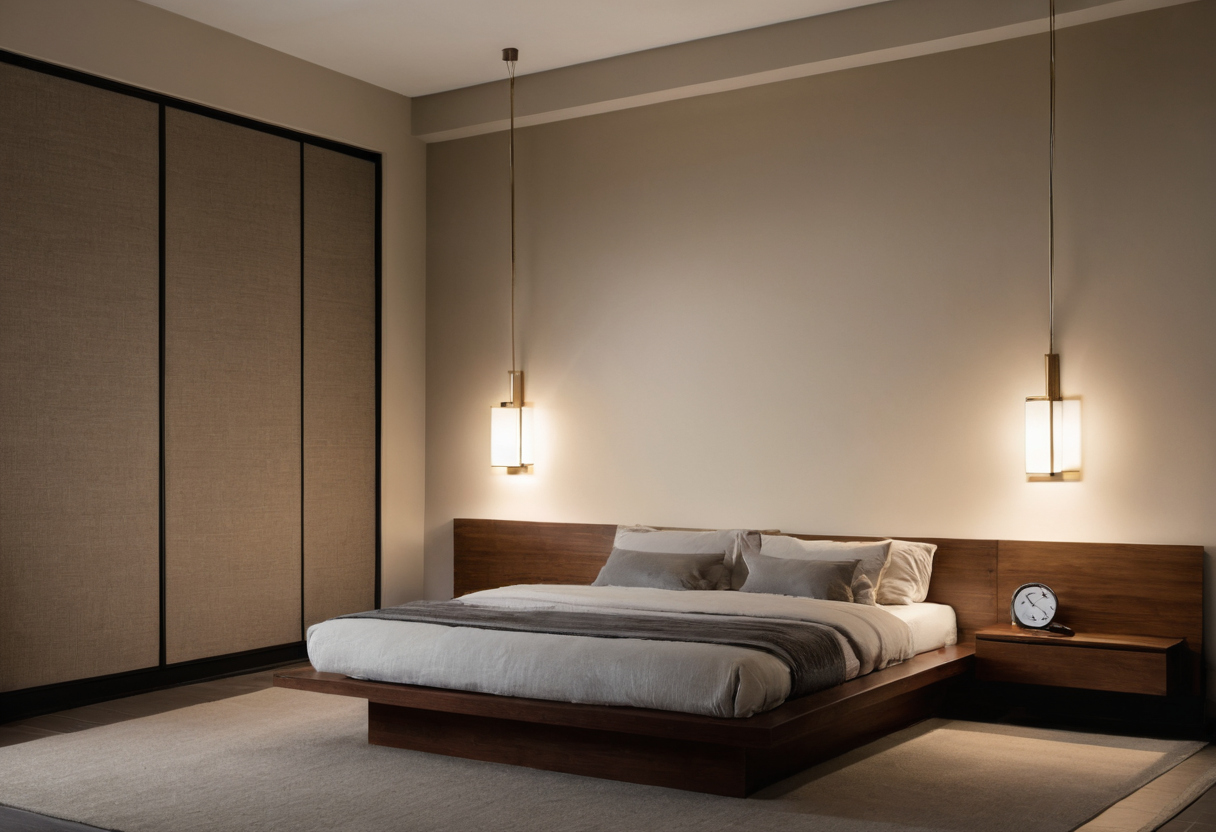
Bedroom storage and decorative accessories should wait until the room proves it needs them shown with floor, wall, and fixture relationships visible.
Which bedroom accessories can be delayed without reducing function?
Keep decoration at $0 in the baseline basket. Delay decorative pillows, wall art, nonessential mirrors, benches, accent chairs, rugs, and headboard upgrades until actual tax, delivery, hardware, and care costs are known.
If a confirmed remainder later funds a rug, check pile height, backing, cleaning method, door clearance, and whether the maker requires a rug pad. The final checkout audit determines whether that remainder truly exists or whether the bedroom has already reached $1,000.
A final checkout audit determines whether the bedroom really costs $1,000
The bedroom budget is complete only after every item reaches checkout for one delivery address. Replace planning estimates with current merchandise prices, discounts, sales tax, shipping, delivery, assembly, and required accessories, then keep the final twin, full, or queen basket at or below $1,000.
Which hidden charges must be checked before placing the bedroom order?
Use the same date and delivery ZIP for every cart. Confirm that all items are in stock together, then record conditions attached to clearance, membership, coupon, financing, pickup, or promotional prices.
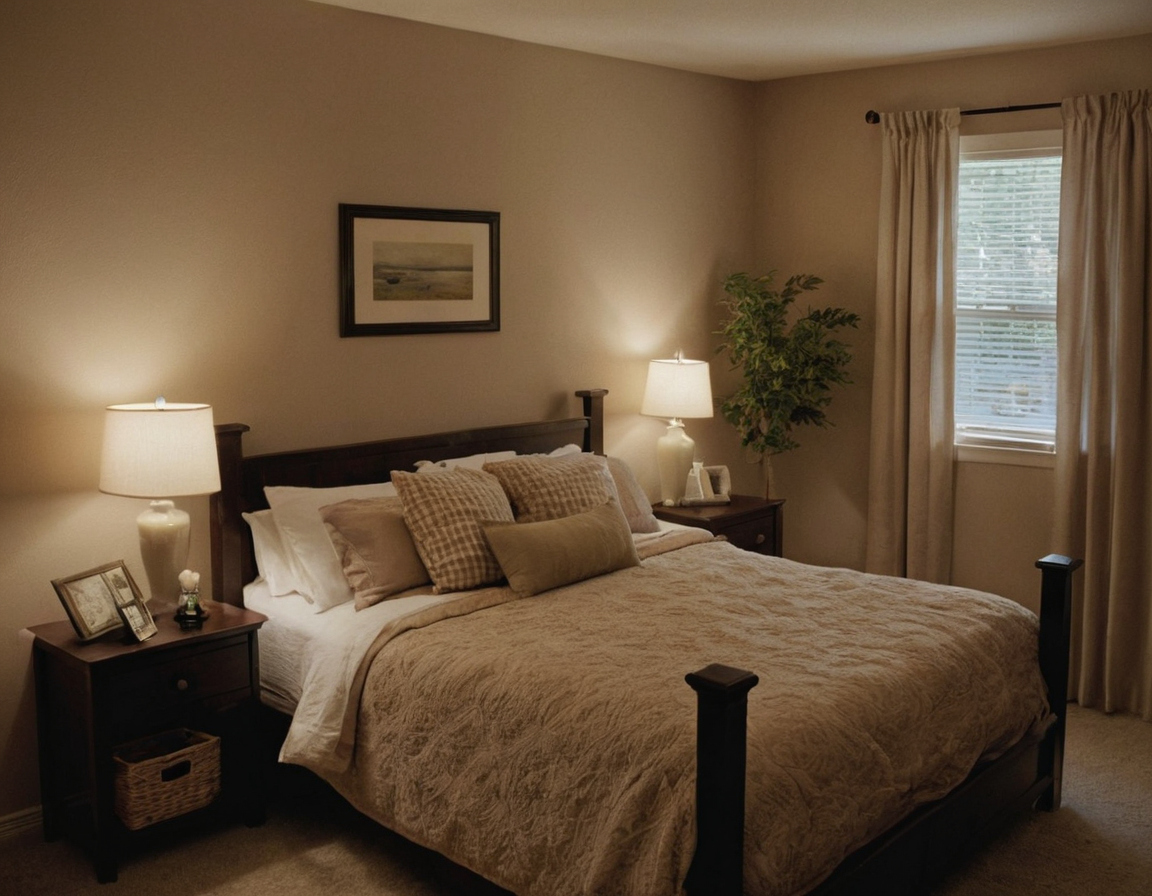
A final checkout audit determines whether the bedroom really costs $1,000 shown as an editorial planning reference.
| Checkout line | Twin | Full | Queen |
|---|---|---|---|
| Merchandise subtotal | Enter cart | Enter cart | Enter cart |
| Discounts | Subtract | Subtract | Subtract |
| Shipping, delivery, assembly | Add | Add | Add |
| Sales tax | Add | Add | Add |
| Reserve used | Record | Record | Record |
| Final total | Pass or fail | Pass or fail | Pass or fail |
Required extras include separately sold slats or foundations, bulbs, curtain rods, brackets, anchors, and necessary tools. Read cancellation, return-shipping, restocking, mattress-pickup, packaging, and recycling terms before payment. Recalculate every charge for your address because taxes and delivery fees vary by location.
What should be cut first if the bedroom cart exceeds $1,000?
Correct an over-budget cart in this order:
- Remove all decoration.
- Remove redundant textiles, such as shams, throws, and a second sheet set.
- Delay optional storage.
- Choose simpler finishes.
- Replace convenience delivery with practical pickup or parcel shipping.
- Substitute lower-priced essentials only after verifying the same fit, support, care, and return requirements.
Treat a $1,064 planning cart as an arithmetic exercise, not a quoted basket. Removing $24 of decoration produces $1,040; removing $40 of optional storage produces $1,000. Never cut manufacturer-required mattress support, the usable sleep surface, basic bedding, privacy coverage, safe lighting, or transaction costs.
- Pass: Current stock, delivery timing, conditions, and final total are documented.
- Fail: Any required accessory or checkout charge remains unknown.
Buy only after the complete, address-specific basket passes.
Frequently asked questions
What are the essential items every first bedroom needs before decoration?
A first bedroom needs a mattress, manufacturer-compatible support, pillows, washable sheets, an appropriate top layer, privacy coverage, and safe lighting. Add a mattress protector when a trial policy, warranty, spill risk, or laundering routine calls for one. Storage is essential only when the existing closet cannot hold the current wardrobe.
Can a mattress, bed frame, bedding, curtains, lighting, and storage fit within a $1,000 budget?
Yes, but the basket must treat $1,000 as the delivered ceiling rather than the merchandise subtotal. The provisional full-bed plan assigns $830 to products and reserves $170 for tax, delivery, required hardware, and price changes. Actual results depend on the delivery ZIP, stock, bed size, and support requirements.
What is the cheapest way to decorate a bedroom after the sleep essentials are paid for?
Start with useful color and texture already present in the sheets, blanket, and lined curtains. Arrange those pieces neatly, then live with the room before buying art, accent pillows, a rug, or a headboard. Decoration is affordable only when a verified checkout remainder exists.
Should a first-bedroom shopper buy a twin, full, or queen bed on a $1,000 budget?
A twin usually protects the most budget and floor space. A full can offer one adult more sleeping width without raising every linked cost as much as a queen. Choose a queen only after pricing its mattress, compatible support, protector, sheets, top layer, delivery, and room clearances together.
How much of a bedroom budget should be reserved for sales tax, delivery, and required accessories?
The ledger above reserves $170 as a planning buffer, not a universal charge. Replace that figure with address-specific tax, shipping, delivery, assembly, hardware, and required-accessory costs at checkout. If the actual reserve is insufficient, cut decoration and optional storage before compromising the sleep system.